
DOWNLOAD THE APP


Customer Services
Copyright © 2025 Desertcart Holdings Limited
DOWNLOAD THE APP

Full description not available
R**N
good read
I wasn't sure what this book might be so I was glad to find it a very educational and interesting read. I would recommend it to both conservatives and independents.
D**O
A Case for the intellectual legitimacy and the multifaceted nature of American conservatism
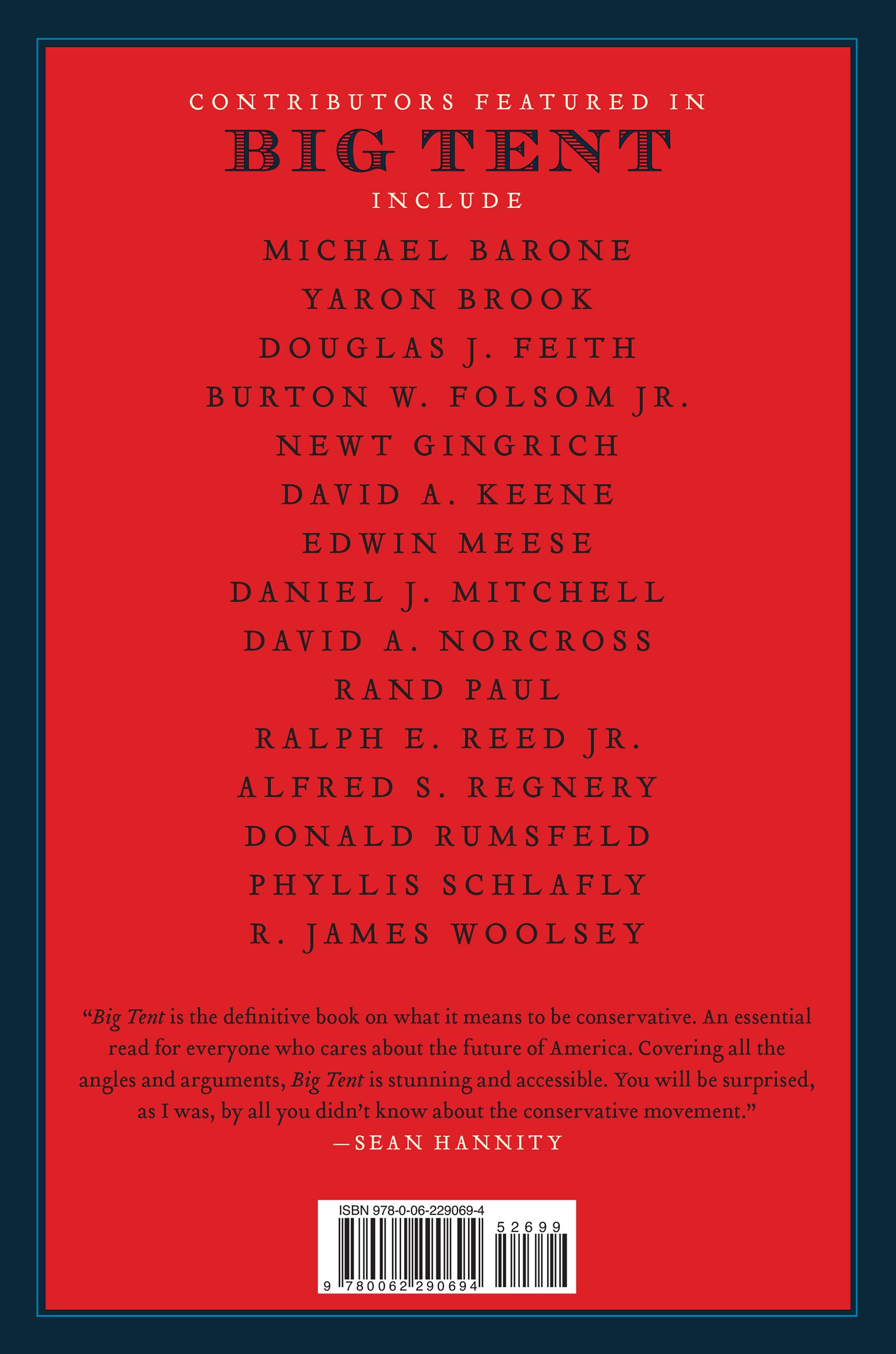
Mallory Factor’s compendium of essays – actually lectures, some without much editorial polish – delivered by leading Conservative minds to students at The Citadel in South Carolina – contains a few clunkers. But there is enough solid stuff here to make this book a good resource for those who want to soak in the origins, history, and many aims of the Conservative movement in the U.S.Why might this be a good read for 2016? Cut straight to the afterword, delivered by former Mississippi Governor Haley Barbour (the cover art of the Kindle edition says Barbour supplies the forward; that’s a misprint). Suspend any judgment of Barbour’s political record: here is 2-Party Politics 101. He examines the record to show why Republicans (or Democrats, if you prefer) must avoid creating litmus tests of ideological purity in order to win state and national elections. You can choose to read Barbour first, but his offering may resonate more deeply if you’ve considered some of the best essays that come before.Barbour, teasing out a theme other contributors hint at, explains why it is important for the Conservative movement to be a “big tent” in order to win at the polls. But there’s a “big tent” irony: Barbour, who prepared his remarks well before the 2016 campaign, may have you re-thinking Donald Trump’s candidacy (Is he really working for the Clintons? Well, turns out there’s historical precedent for those sort of shenanigans…)Make no mistake; the Conservative “big tent” is not for everyone. So who is it for? Contributor Edward J. Feulner takes us back to William F. Buckley’s efforts, when the National Review was brand new, to rally various strands of political theory that stood against New Dealism and other left-leaning philosophies, into a viable political and governing force. There were free market conservatives, social conservatives, fiscal conservatives, national defense conservatives, and constitutional conservatives whose overlapping yet unique objectives needed a common rallying point to develop into the unified movement that Buckley envisioned. Factor presents the essays in rough chronological order to highlight the progression of thought and historical events through time: eighteenth-century Irishman Edmund Burke; George Washington and the framers of the Declaration of Independence and the Constitution; Friedrich Hayek, Russell Kirk and Ayn Rand; all paving the way for the patron saints of the modern U.S. Conservative movement: Buckley. Goldwater. Reagan.The list of contributors combine the well-known: Newt Gingrich, Michael Barone, Phyllis Schlafly, Ed Meese, Ralph Reed, Rand Paul; with quieter scholars whose contributions drive home the power of America’s conservative zen. But put the lineup in a room with wine and cheese, and you’ll hear some substantial disagreements. It is a big tent.Among the most thought-provoking nuggets: Donald Rumsfeld’s defense of George W. Bush’s war on terror. It’s fashionable for Americans of all political stripes to give “Bush II” low marks on his presidency; Rumsfeld’s argument in defense of George W.’s military and foreign policy initiatives are the most cogent you’ll find. Those who think the military actions in Iraq and Afghanistan were mistakes will find a healthy challenge to their thought process here.The writer in me wishes a few of the essays were better edited to be presented as essays in a book. And a couple of the essays are just not up to snuff. But think of “Big Tent” as an old vinyl LP: You don’t have to like every song on the album to make it a good addition to your collection.
K**T
An Easy to Read Primer on Why Conservatism Is The Only Solution To Prosperity!
Awesome . . . contains one of the most easy to understand chapters on how radical Liberals gamed the system to dominate the political process. Explains why capitalism, free enterprise, and conservative principles lead to success and why Liberals just don't have a clue as they seek to destroy America!
G**M
Very good, not great, some gems.
Excellent introduction to various strands of conservative thought. Note: still reading it...Highlights:--Alfred Regnery's "The Pillars of Conservatism". While much of it is quite familiar to those familiary with George Nash's definitive The Conservative Intellectual Movement in America Since 1945, Regnery goes into some historical detail on the ancient/classical roots.--David Norcross's "Edmund Burke and the Origins of Modern Conservatism.--Michael Barone's essay on Alexis de Tocqueville.--"New Deal Progressivism, the Jeffersonian Revival, and the Agrarian Tradition" by Burton W. Folsom is a real gem and my favorite so far.--David Keene's essay on William F. Buckley, Jr.'s impact is not a lot new but interesting to read his perspective and journey within the conservative movement.--Douglas Feith’s “The Cold War, Anti-Communism, and Neoconservatism” is some pretty good background on the emergence of neo-conservatism and its influence on the foreign policy debate.The downside:--"The Emergence of Libertarianism" by Yaron Brook is nothing but an Ayn Randian argument with some primer material on Hayek, Mises, and Friedman thrown in.--Phyllis Schlafly’s “Cultural Conservatism and the Religious Right” is, sad to say, little more than a lot of “This is what I did.” Sad to say, for me, because I’m a fan of Schlafly and her contributions but her perspective is very limited to the movement as a whole.--Ed Meese’s “The Reagan Revolution” offers very little, except the occasional tidbit, that would be new to any halfway knowledgeable conservative.I’ve only gotten as far as Feith’s essay so far. From a perusal of the rest of the book, though, it appears there are some more gems here.
J**N
Very informative. Interesting learning resource. I find many ...
Very informative. Interesting learning resource. I find many of the essays herein a little too biased/opinionated for entry level political science study. A slow read, but worth the time.
N**N
I liked the format of this book
I liked the format of this book. The fifteen chapters plus the Afterword were individual essays each writing about different aspects of what is conservative thinking. If they would read it, Ibelieve it would open some minds that are liberal, The question is will they read it, probably not! Haley Barbour's Afterword helped to bring it all together. The only essay I had a problem with was by James Woolsey glib with unwarented humor. But even with that I rate the book, five star.
R**I
A good primer on the many elements of political conservativism
A nice anthology of essays on what it means to be a political conservative from multiple perspectives of people I respect for the most part. Easy to read as each essay more or less stands alone. Some essays stood out from the others as being more insightful. I will refer back to these particular essays over time.
P**E
Fantastic
This is a great book - highly recommended. Well organized, and nicely presented. I only wish that all citizens would read it - they might understand what makes a free society so incredibly prosperous.
Trustpilot
1 month ago
2 days ago